What shapes equipment selection in Virginia Beach
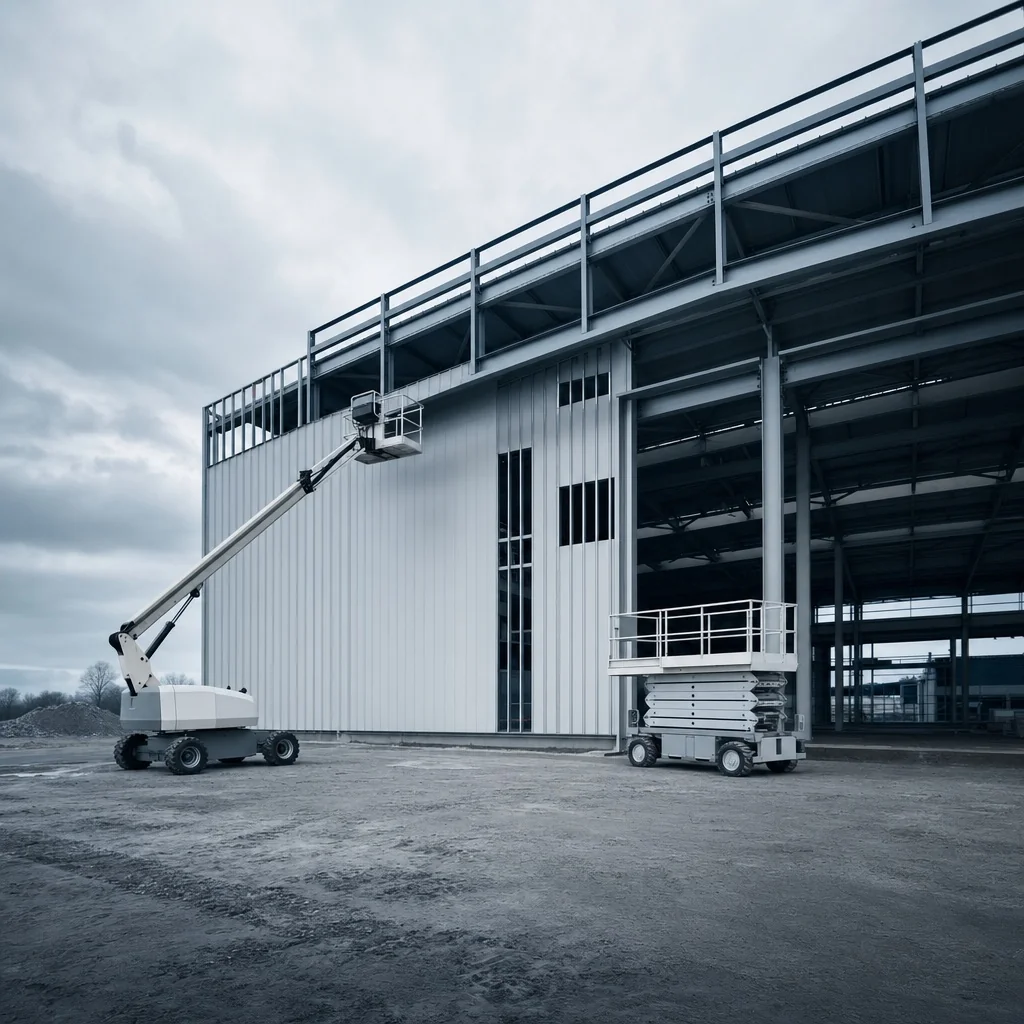
Aerial work around the oceanfront and business districts often shifts between smooth interior floors and outdoor lots that can hold water or drift sand. The first filter is job geometry: can the machine sit directly below the task, or does it need reach or up-and-over clearance? The second filter is ground support: will the unit run on finished slab, pavers, or unpaved sections that demand more flotation and traction.
Coastal-ready considerations
The regional climate introduces high humidity and salt-laden air. That pushes planners toward equipment with corrosion-resistant finishes and consistent washdown and inspection intervals, especially for exterior staging. Indoor units still encounter salt carried in on materials and air movement, so maintenance planning matters for both categories.
How the library is organized
- Electric slab scissor content focuses on compact width, platform capacity, and indoor ventilation needs, aligned with atriums, corridors, and guest areas. See /electric-scissor-lift-rental/.
- Rough-terrain scissor content highlights tire type, gradeability, and platform size for flat but soft or occasionally flooded surfaces. See /rough-terrain-scissor-lift-rental/.
- For reach and obstacle clearance, compare /articulating-boom-lift-rental/ and /telescopic-boom-lift-rental/.
- Supporting pages cover /vertical-mast-lift-rental/ for tight interiors and /aerial-lift-rental/ for a category overview.
Who benefits from this structure
Facility teams maintaining tall lobbies, local distribution buildings, and industrial sites can quickly map tasks to machine families using local ground and weather cues. Event setup along the resort areas also benefits from compact transport dimensions and quiet operation notes.
How to use cross-references
Each page links to related categories when geometry or terrain changes mid-project. When outdoor staging is near spray or standing water, compare corrosion and service interval notes before finalizing a model short list, and consult site procedures and the selected unit’s documentation for limits and practices.