Start with load, height, and landing zone
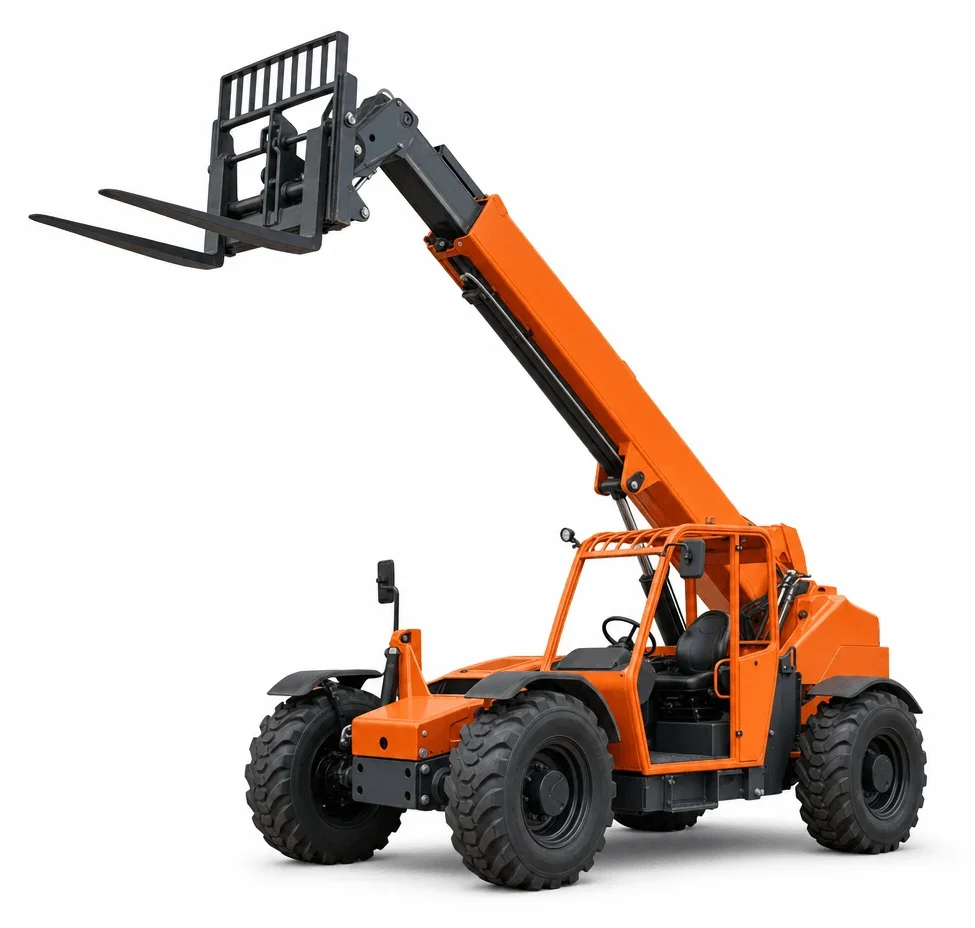
Identify the heaviest pallet or bundle, the maximum lift height, and where the load must land—onto decks, mezzanines, or rooftop staging. The landing surface and required reach determine boom class and whether a side-shift or tilt carriage improves placement accuracy.
Coastal and ground considerations
- Salt‑air exposure near the Oceanfront accelerates wear on pins, chains, and cylinders. Coastal‑ready finishes and attentive lubrication schedules help counteract this.
- Sandy lots and construction infill demand rough‑terrain tires and, in some cases, a wider stance for stability when traveling with suspended loads.
- Transitions from paved promenades to compacted fill benefit from units with responsive steering modes for tight turns without scuffing surfaces.
Measurements that narrow the telehandler
- Rated capacity at maximum reach: confirm the furthest placement point, not just ground‑level lift.
- Overall width and height: check access through site gates, temporary fencing, and under low overhead obstructions.
- Attachment interface: forks cover most needs; truss booms or buckets change effective load and reach planning.
Virginia Beach use cases
- Material runs for hotel exterior work where loading must occur from street or setback positions.
- Industrial site maintenance with palletized parts staged across sandy yards.
- Facility upgrades in logistics buildings where precise placement on mezzanines reduces rehandling.
Related categories
For aerial work once materials are staged, see /boom-lift-rental/ or compare /telescopic-boom-lift-rental/ for long‑reach access. For enclosed building tasks, /forklift-rental/ may be more suitable on finished slabs.
Actual conditions, the chosen unit’s instructions, and site procedures govern lift limits and handling on the day.