Start with approach distance and setback
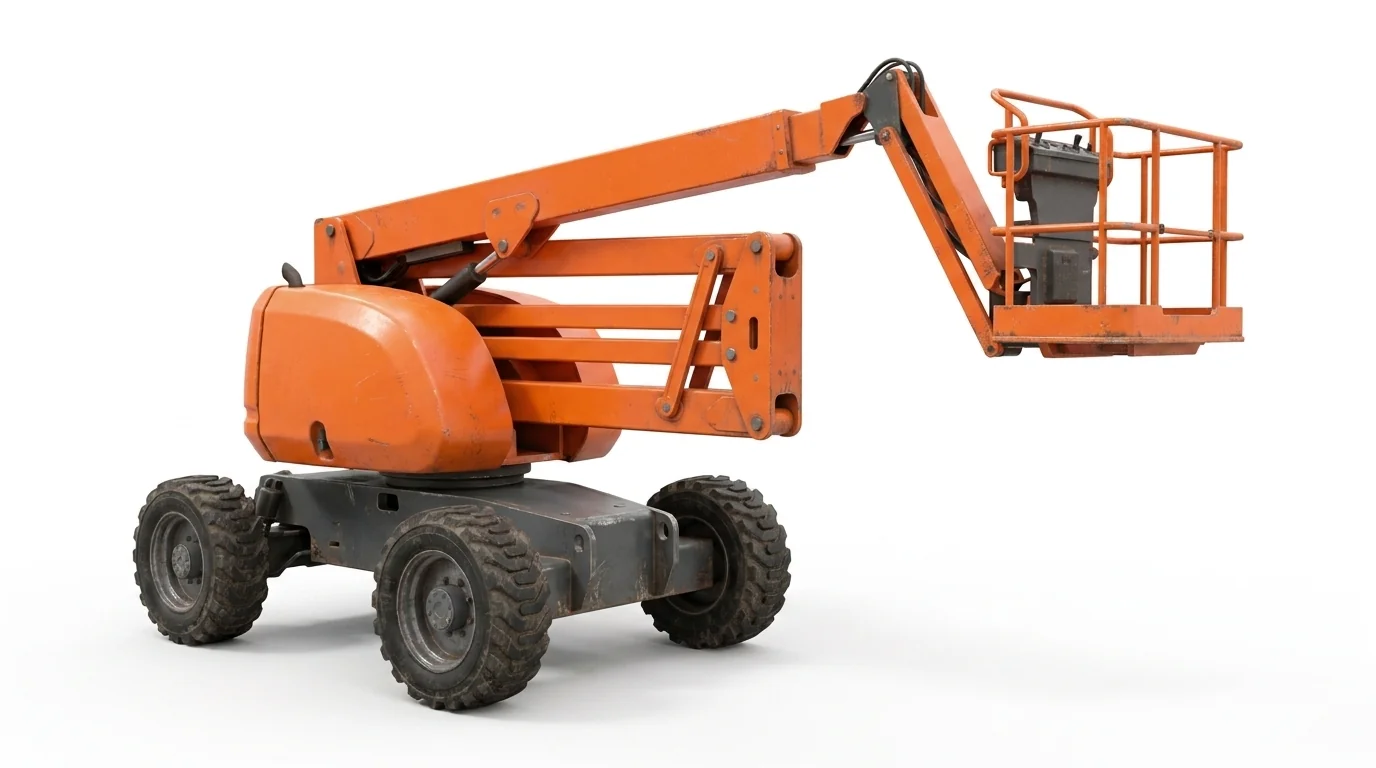
A telescopic boom makes sense when the machine can align with the task and extend directly to it. Measure how far the base can sit from the work face and confirm there’s room to swing the counterweight. If obstacles block the path or the base must tuck under a canopy, compare an articulating unit at /articulating-boom-lift-rental/.
Local ground and weather factors
- Sandy or compacted fill around open lots may call for rough‑terrain tires and oscillating axles to keep the platform steadier during travel and setup.
- Coastal wind near waterfront areas can limit elevation or outreach. Actual site procedures and the selected unit’s instructions determine allowable conditions on the day.
- For mixed indoor/outdoor transitions, hybrid models reduce emissions when moving through enclosed loading areas.
Dimensions that narrow the choice
- Horizontal outreach versus height: confirm the furthest work point without needing to jockey the base.
- Chassis width and turning radius: verify access through gates, between bollards, and around equipment pads.
- Platform capacity: long tools, fixtures, and panel handling can drive capacity requirements.
- Power source and gradeability: match to exterior grades, ramps, and job cycle time.
Typical Virginia Beach applications
- Exterior façade work on tall structures with open apron space.
- Pole lighting, signage, and camera placement across wide parking fields.
- Industrial maintenance along tank farms or equipment yards where straight-line access is available.
Related categories
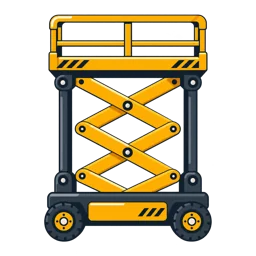
If the work is indoors or under low headroom, a scissor may be more practical: see /electric-scissor-lift-rental/. For rougher, uneven ground and set-back access, consider /articulating-boom-lift-rental/.